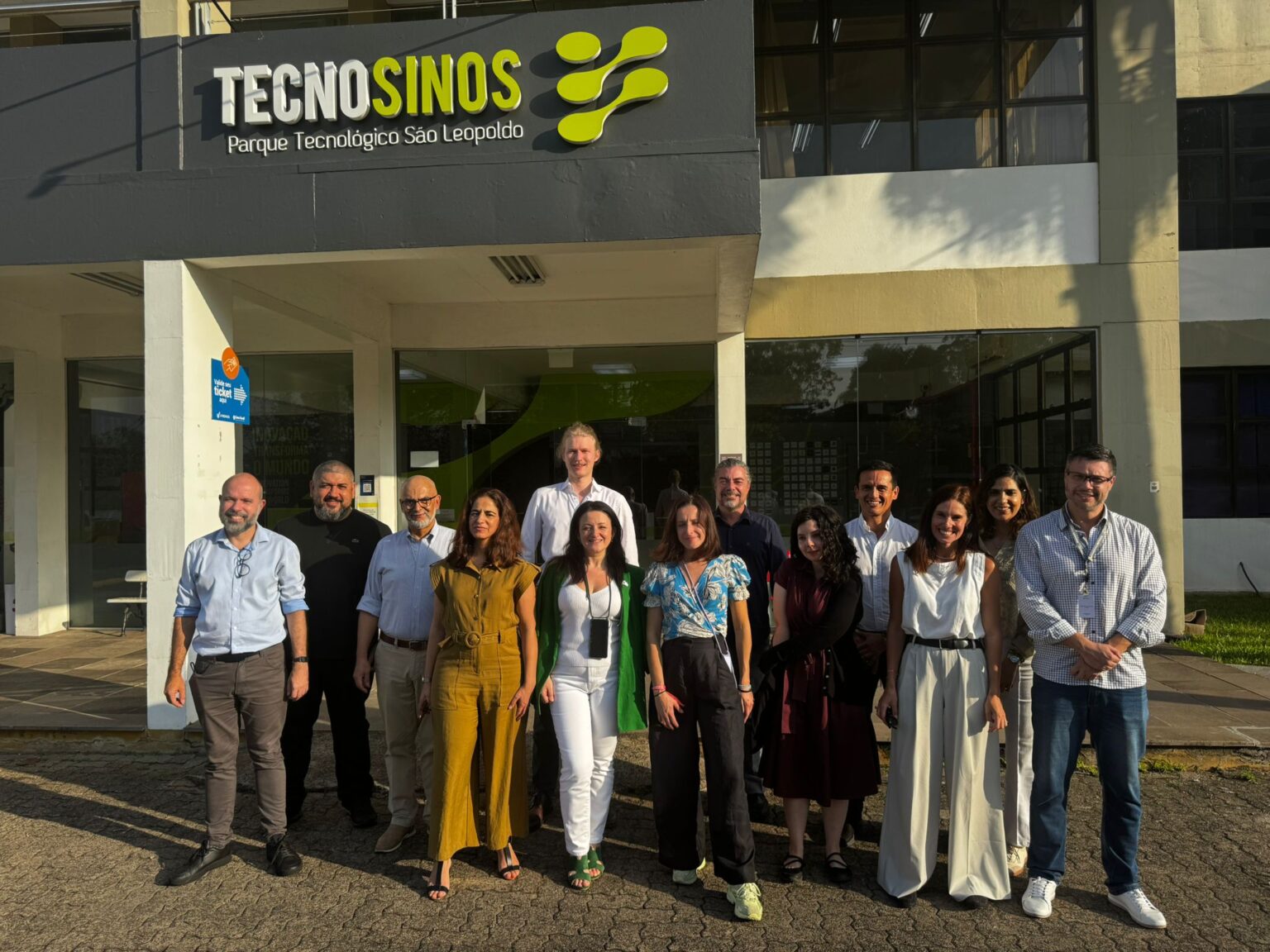
After nearly two years, the SPIDER Twinning Programme brought its participants together for an in-person gathering on 26 & 27 March, in Rio Grande do Sul, Brazil. After a full day of discussions on the impact and future of EU-LAC cooperation, held at Tecnosinos, the team invited experts and innovation hub representatives to a dedicated panel at South Summit Brazil.
Reviewing the progress, discussing the future
The Final Twinning Event took place at Tecnosinos, which co-organized the event. With over twenty years of existence, São Leopoldo Science Park – Tecnosinos is the science park of Unisions. It hosts around 96 Brazilian and international companies, having generated over R$2.5 billion and 120 registered items of intellectual property, with a focus on deeptech areas deeply relevant to the SPIDER Programme, such as Information and Communication Technology (ICT), as well as Automation and Engineering, Healthcare Technology, Renewable Energy and Environmental Technology.
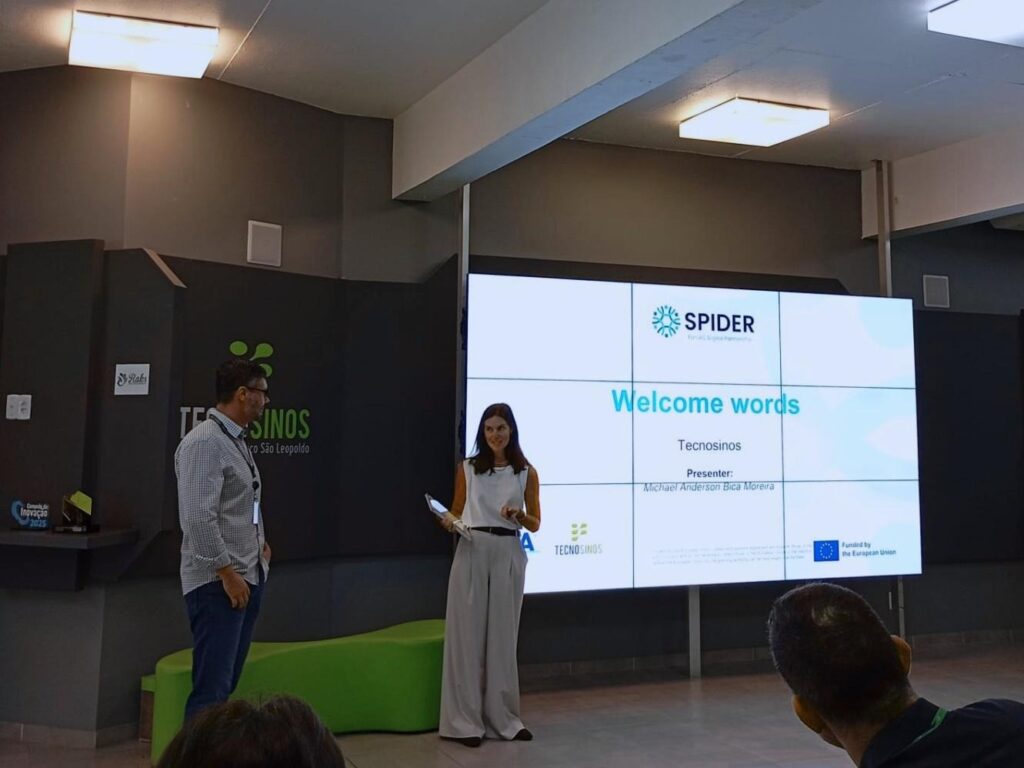
Michael Anderson Moreira, Head of Institutional Relations and Infrastructure at Tecnosinos, welcomed the participants to the premises with an overview of the organisation’s work, followed by an opening speech from SPIDER team member Carolina Turcato (Manager, EurA Innovation Ecosystems), who added important context on SPIDER’s goals and on the role of the Twinning Programme in fostering EU-LAC cooperation between innovation hubs.
The morning was fully dedicated to discussing the future of international collaboration, featuring keynote speeches by a variety of experts, each approaching an essential factor to making cooperations such as the ones developed under the Twinning Programme work.
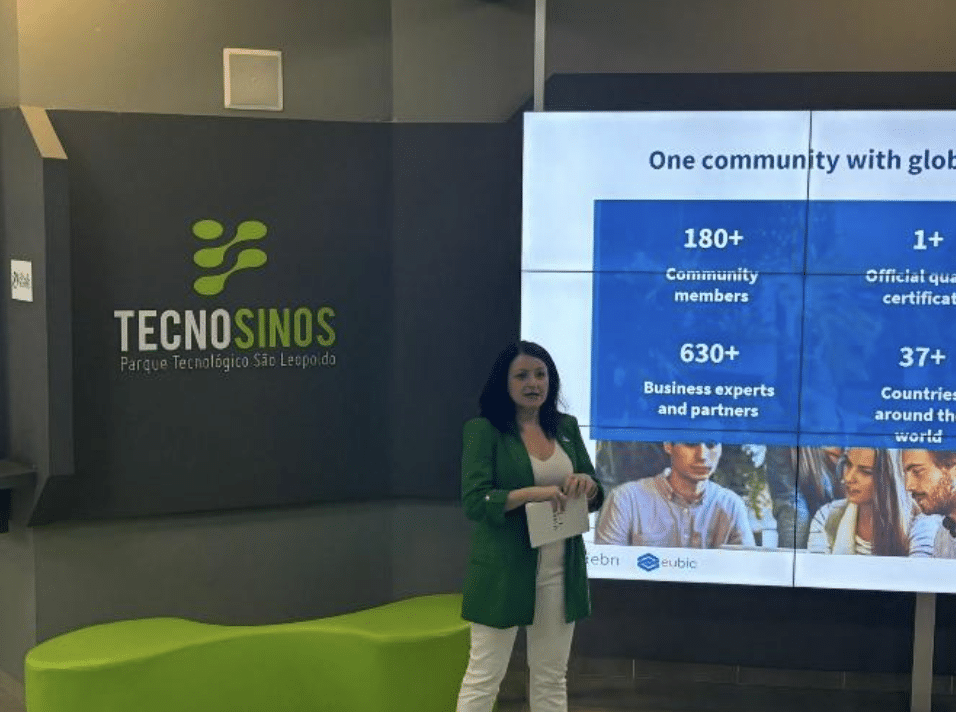
Livia Marcantonio (Head of International Projects, European Business and Innovation Centre Network (EBN)) started the conversation with a keynote speech on the power of quality frameworks.
The participants got to learn about how EBN connects and nurtures a community of business support organisations, accelerators, science and technology parks and other innovation actors with a track record of excellence in their ecosystems. By becoming a part of the EU|BIC community, members can access quality services designed to help them deliver high-quality business support in their ecosystems. The impact of the EU|BIC community is not only Pan-European, but truly global, with 180+ members from 37+ countries, which have supported a combined total of 29,300+ startups and SMEs since the community’s inception.
During her presentation, Livia drew from the organisation’s vast experience in fostering internation collaborations to show how structured methodologies, common standards and impact measuring systems are the secret to successful cooperation.
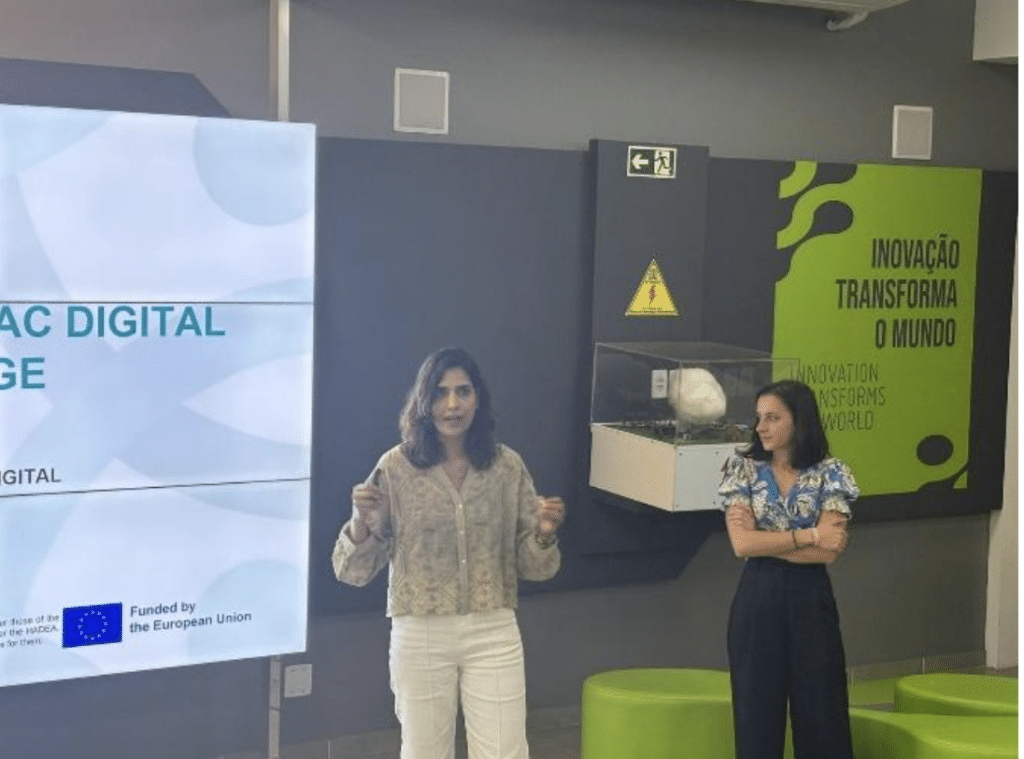
Parul Chaudhary and Alessandra Zini (28Digital) took the stage to review the state of the innovation funding landscape and cooperation opportunities. After going over the current policy context, including both challenges and opportunities, Parul and Alessandra narrowed in on concrete current and future initiatives rife for EU-LAC cooperation, taking the time to interact with the audience and understand their own needs and perspectives.
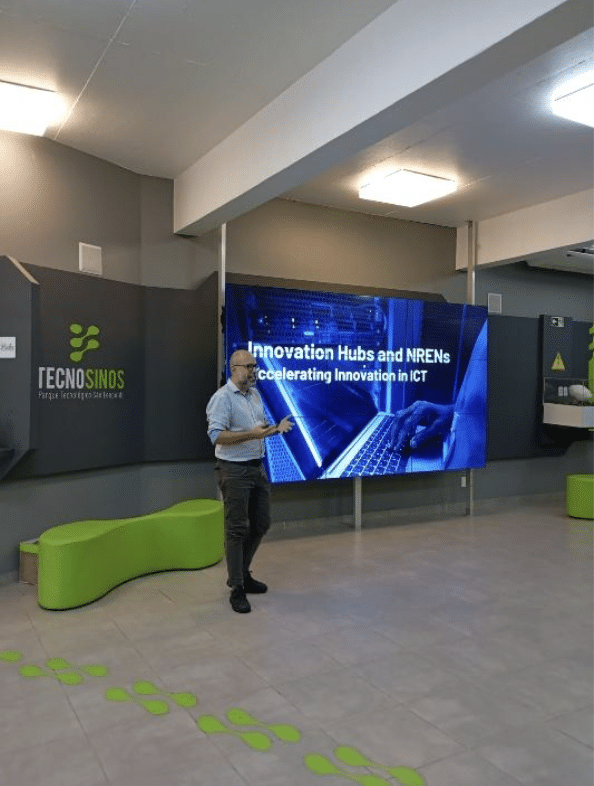
Leandro Neumann Ciuffo, from Rede Nacional de Ensino e Pesquisa (RNP), also a member of the SPIDER consortium, explained how NRENs can help innovation Hubs accelerate ICT Innovation, with a particular focus on the role of Testbeds in supporting innovators.
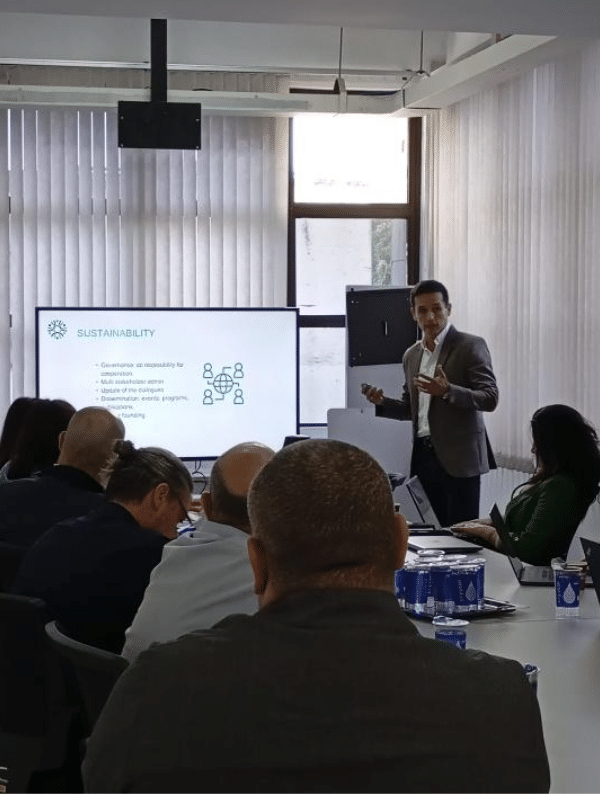
After a networking lunch, the event moved into a more workshop-based format, with smaller, more interactive presentations that directly pertained to SPIDER’s activities.
Christian Patiño (Process Coordinator, CEDIA) introduced the SPIDERHUB AI-platform. This public, centralized tool featured 100+ digital transformation agreements between EU and LAC. Researchers, policymakers, and the general public can use it to access relevant documentation on digital transformation dialogues between the EU and LAC ecosystems, as well visualise connections between actors, themes and commitments, and easily access information to facilitate their decision-making.
Finally, it was time for the attending organisations to share their action plans, including results and lessons learned throughout their collaboration under the Twinning Programme.
The event counted on the participation of three of the five pairs of Innovation Hubs paired under the programme:
CERTI (BR) & EDIH Rheinland (DE) – Already working on a first cooperative proposal, which is under negotiation with government actors, engaging in various on-site visits to each other’s premises and exploring future short-term staff exchanges.
CENAT (CR) & T4E EDIH (ES) – Engaged in the organisation of online matchmaking events, having delivered with HPC Focus and Green Tech, respectively. Currently working on a shared proposal.
Tecnosinos (BR) & TICE (PT) – Already delivered a successful online matchmaking event with semiconductors companies from both ecosystems, currently planning a second one with policy stakeholders for late 2026.
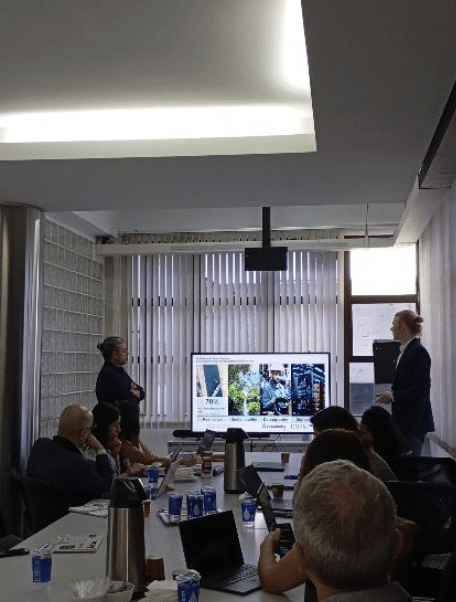
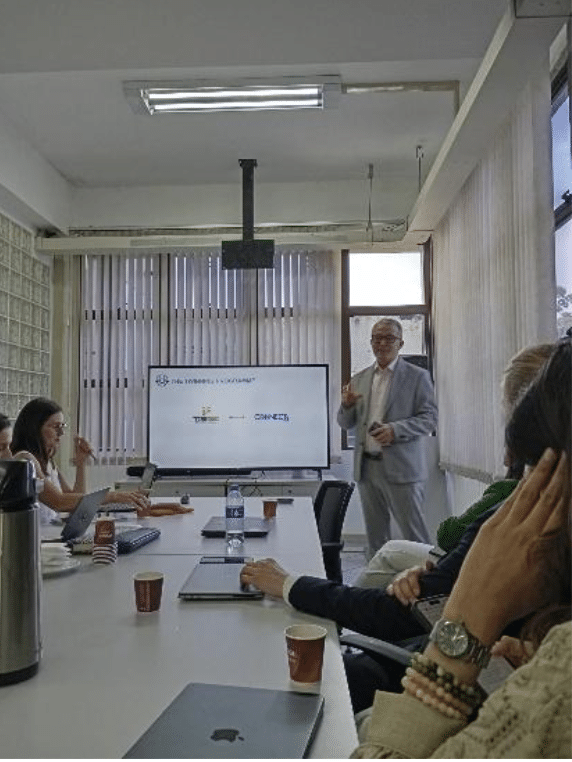
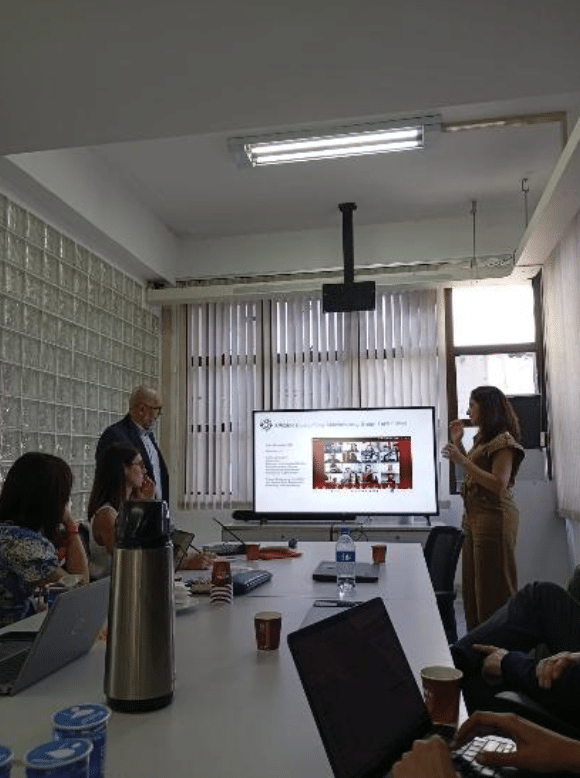
Amongst the common challenges identified by the participating hubs, lack of funding to pursue lasting collaborations, fragmentation between EU and LAC ecosystems and lack of structured collaboration roadmaps stood out as common bottlenecks. Finding complementary expertise, ensuring collaborations with defined thematic focus and starting with small scale collaborations stood out as success factors.
The event wrapped up with a candid discussion on what needs to be done to ensure successful collaborations and reliably reproduce the model of the SPIDER Twinning Programme.
Participants also received a guided visit to the Tecnosinos premises, which included a detailed explanation of the infrastructure the park provides to its hosted companies.
Exploring the future of EU-LAC collaboration at South Summit Brazil
Setting the Final Twinning Event in Rio Grande do Sul allowed the SPIDER team to make the most of the ongoing South Summit Brazil 2026. Since 2022, this extension of the Marid-born event, has been bringing visionary entrepreneurs, top investors and tech leaders to Porto Alegre. The 2025 edition featured over +900 investors and participants from 62 countries.
The 27 March panel on Bridging Continents: Best Practices in EU–LAC Innovation Collaboration placed EU-LAC cooperation at the centre of the conversation, with SPIDER Twinning Programme Participants Cristina Gallardo Rey (Project Manager – European Projects Office, FUNDECYT – Parque Científico Tecnológico de Extremadura) and Silvio Bitencourt da Silva (Director, Tecnosinos) joining Livia Marcantonio (European Business and Innovation Centre Network (EBN)), in a conversation moderated by SPIDER’s Carolina Turcato (Manager, EurA Innovation Ecosystems).
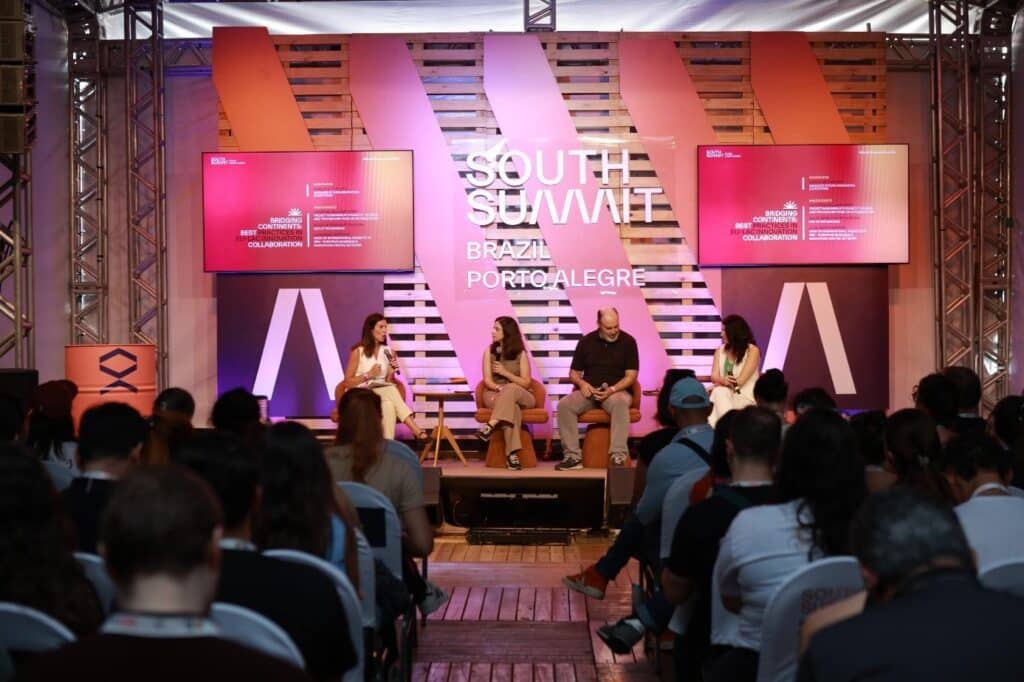
From left to right: Carolina Turcato, Cristina Gallardo Rey, Silvio Bitencourt da Silva, Livia Marcantonio.
Key points from the conversation included:
- How concrete mechanism help collaboration move from intention to execution.
- Successful collaboration requires a keen understanding of each party’s specificities, acknowledging that different types of organisations have different expectations of what to gain from a partnership.
- The critical need to move from a project-based logic to structured collaboration pipelines, making collaboration less dependent on funding cycles.
- Establishing clear, achievable objectives and roles for each partnership, creating value early on and planting the seeds for more ambitious connections later on.
The session drew a large crowd, filling the tent of South Summit’s Explore stage with innovation-minded participants interested in learning from SPIDER’s experiences and understanding how to push EU-LAC collaboration further.
About the SPIDER Twinning Programme
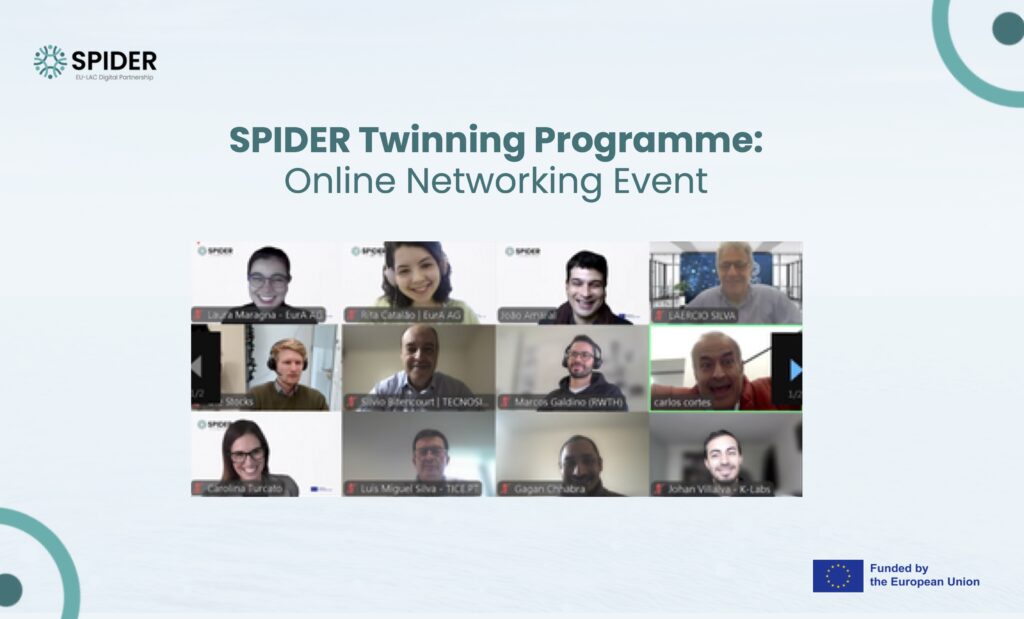
Launched in early 2024, the SPIDER Twinning Programme connected ten key actors from the EU and LAC ecosystems in five pairs, allowing them to craft a joint action plan and develop a unique collaboration. Through online networking events and inclusion in other activities under SPIDER, partaking in the programme also allowed them to network, share best practices and explore opportunities around the BELLA infrastructure.
Explore the links below for a recap of some of the milestones under the SPIDER Twinning Programme: