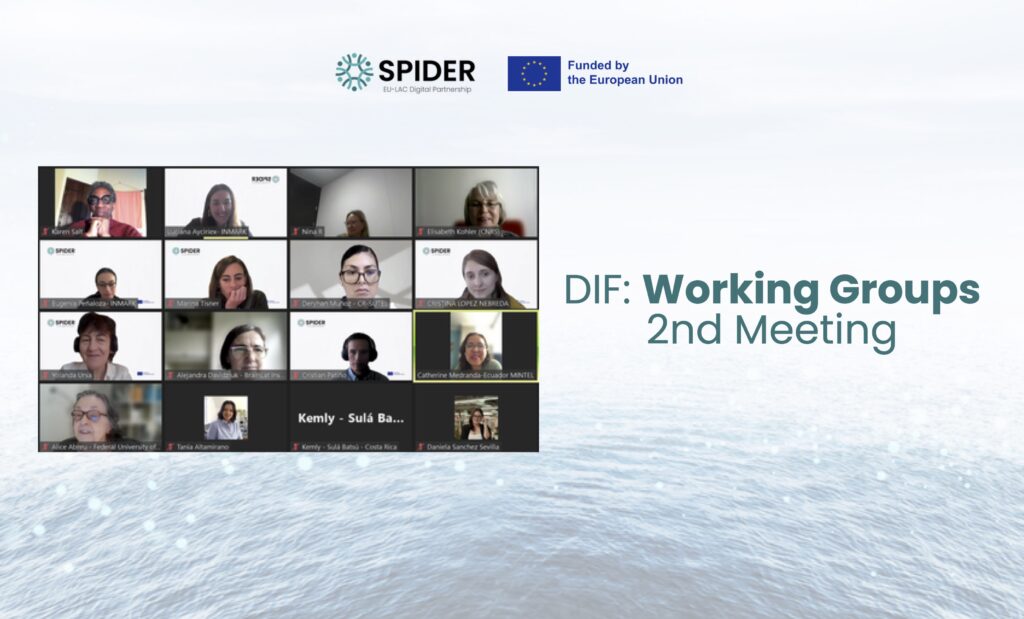
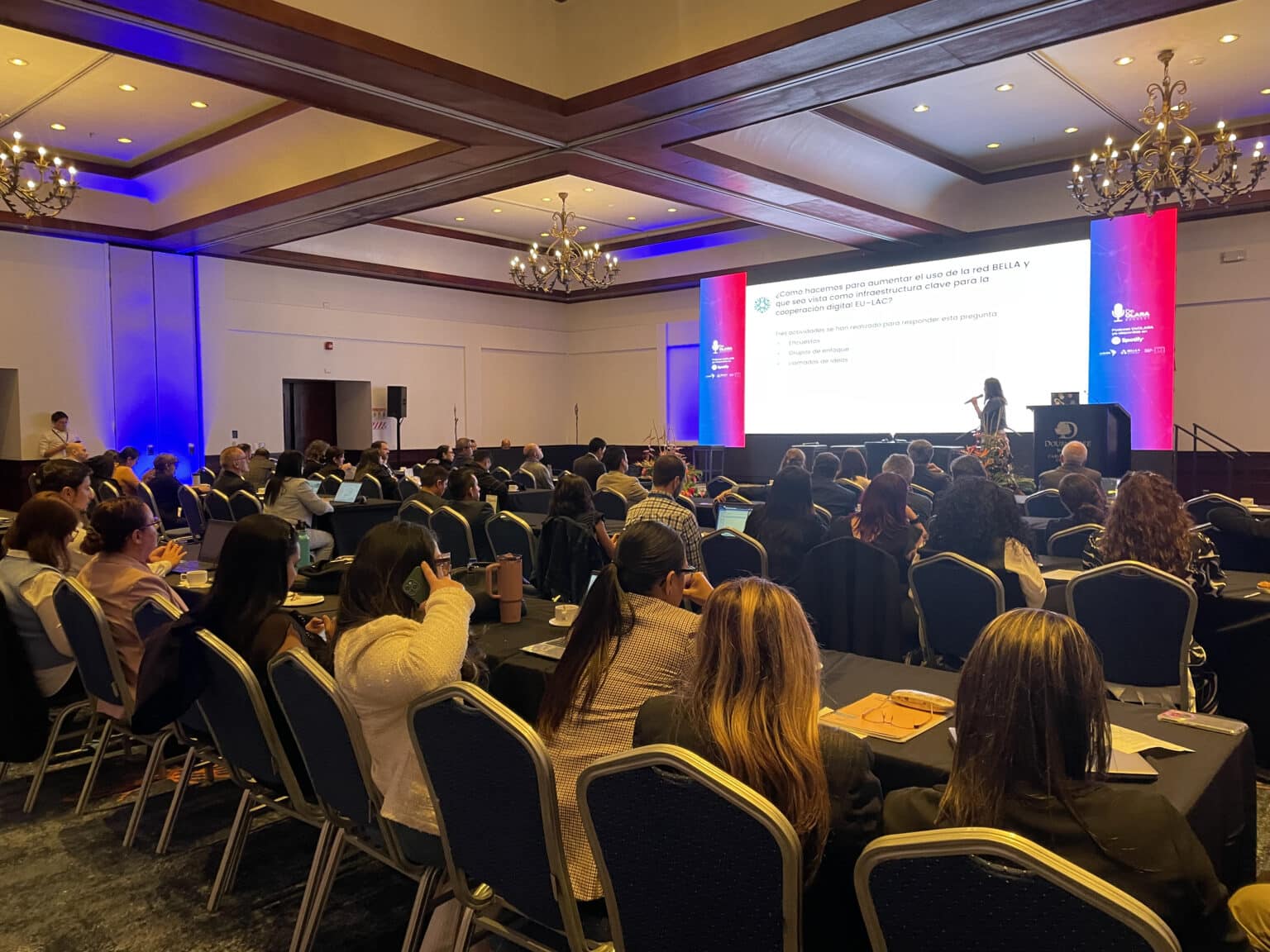
At this year’s TICAL Conference, SPIDER hosted a new edition of the Digital Dialogues Implementation Forum (DIF) — a dedicated space to assess the current state of EU–LAC digital cooperation and explore how both regions can work together in a more coordinated, accessible and impactful way.
Across two complementary sessions, the DIF brought evidence, policy perspectives and technical insights into one consolidated discussion. The result was a clearer understanding of the opportunities, gaps and priorities guiding EU–LAC collaboration today, and what must happen next to turn dialogue into lasting impact.
1. Setting the Scene: A Shared Commitment to Digital Transformation
The Forum opened by underscoring a shared objective: advancing cooperation that is simple, aligned and centred on people’s needs. Participants highlighted the importance of continuity, long-term planning and mechanisms that withstand political cycles. This framing set the tone for discussions focused on strengthening regional governance, ensuring stable resources and building the capacity required for meaningful digital transformation.
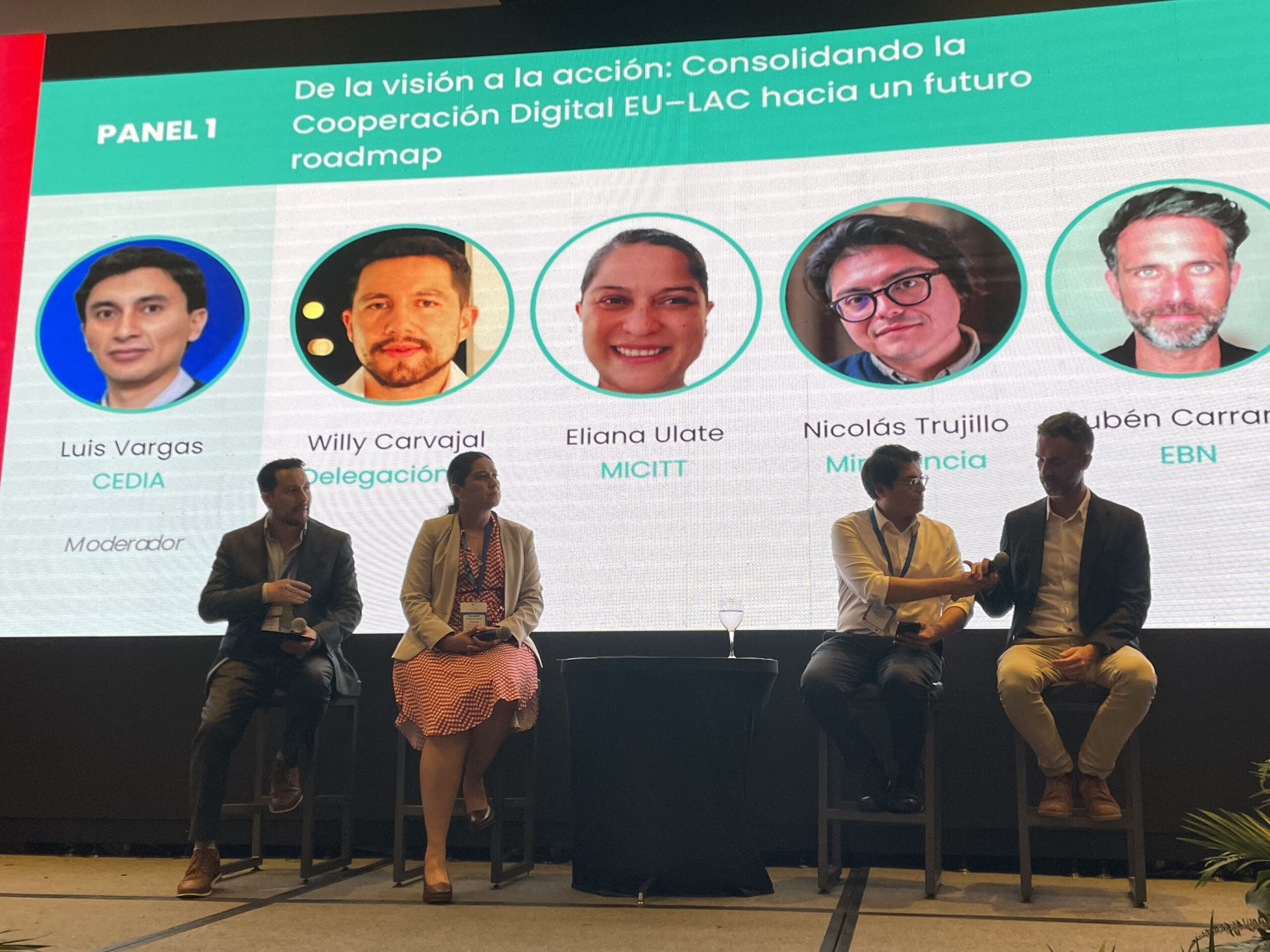
2. From Vision to Action: Consolidating EU–LAC Digital Dialogues
The first session presented SPIDER’s mapping of bi-regional agreements and digital dialogues, supported by the AI-powered SPIDERHUB platform. The analysis provided a clear overview of a cooperation ecosystem that is rich but uneven: strong in intention, but often fragmented in execution.
Key insights that emerged
Participants stressed that mapping alone is not enough; progress must be measured through impact, not just activity. There was broad agreement on the need to prioritise high-value initiatives, ensure sustainable financing models, and strengthen multilevel leadership to support long-term collaboration.
Several perspectives highlighted the importance of:
- Regional governance frameworks that enable LAC countries to act collectively.
- Legislative and normative tools to facilitate cooperation, such as guidelines for data centres or public digital infrastructure.
- Clear mechanisms to monitor commitments beyond political cycles.
- Greater articulation between public, private and academic sectors, reducing existing gaps and mistrust.
- Shared funding models to support actions with real societal impact.
A recurring theme was the need to move from participation to co-leadership: for LAC countries to define priorities, segment thematic areas, and shape agendas; not only follow them. Strengthened coordination with international organisations was also identified as essential to avoid duplication and maximise resources.
Audience questions reinforced these points, especially regarding the sustainability of cooperation, the role of institutional leadership and the need to involve underrepresented actors such as civil society, the private sector and judicial bodies.
The session concluded with a shared aim: to transform existing evidence into a joint roadmap that is coherent, realistic and actionable.
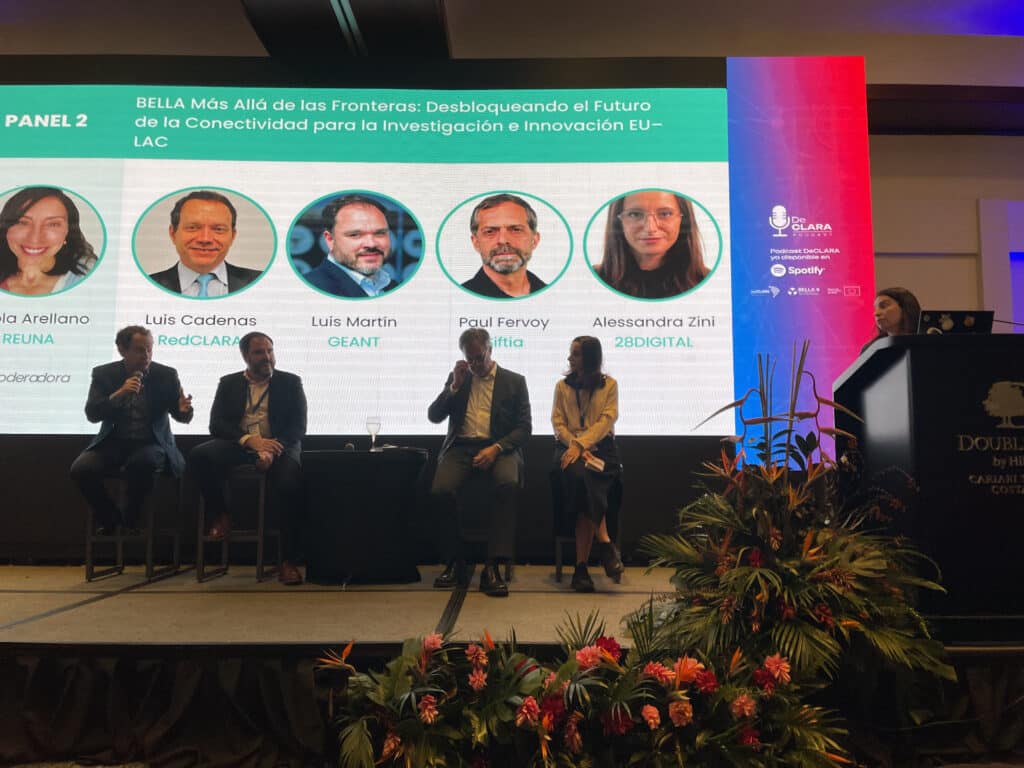
3. BELLA Beyond Borders: Unlocking the Next Phase of Research and Innovation Connectivity
The second session focused on BELLA as a critical infrastructure enabling scientific collaboration, innovation and digital transformation across the regions. SPIDER presented insights from surveys and focus groups that examined how BELLA is currently used and what communities expect from it moving forward.
What the discussion revealed
Participants widely recognised BELLA’s technical and symbolic importance. Its capacity, reliability and strategic positioning were seen as key assets for advancing research and innovation. However, translating connectivity into real opportunities requires targeted efforts.
The conversation highlighted several priorities:
- Strengthening capacities and ensuring that National Research and Education Networks (NRENs) can act as effective articulators across society.
- Improving dissemination and visibility, making BELLA’s interconnection more widely known and better understood.
- Developing practical applications, for example, improving access to Copernicus data, to demonstrate tangible value.
- Creating micro-projects that show real use cases, activate traffic, and allow institutions to build on existing successes.
- Building an ecosystem around BELLA, with matchmaking mechanisms that link needs, applications and infrastructure capabilities.
- Bridging the disconnect between academic networks and productive sectors, which often operate in silos.
- Increasing information accessibility on funding opportunities that support stable and sustainable cooperation.
A number of thematic areas emerged as especially promising for collaboration: sustainable agriculture, digital health, clean energy, and the adoption of artificial intelligence in industry and public services.
Participants also emphasised the institutional dimension: connectivity alone is not enough without governance, coordination and institutional frameworks that link research, government and industry. BELLA was repeatedly recognised not only as a technology, but as an enabler of programmes, exchanges, and new forms of cooperation, including initiatives such as short-term mobility, thematic twinning and multi-country collaboration networks.
4. A Clear Path Forward
The closing reflections of the DIF emphasised that EU–LAC cooperation is strongest when it is coherent, coordinated and centred on people’s needs.
Across both sessions, several common priorities emerged:
- developing a shared governance vision for the region,
- sustaining commitments beyond political cycles,
- improving coordination across institutions and sectors,
- increasing visibility and accessibility of funding,
- and focusing on practical, high-impact initiatives.
The partnership already has strong assets, solid infrastructures, committed communities and active regional networks. The challenge ahead is to make cooperation more connected, more coherent and more accessible so that its benefits reach a wider diversity of actors.
5. Looking Ahead: SPIDER’s Ongoing Contribution
SPIDER will continue contributing to this effort through its mapping activities, its engagement with communities, and initiatives such as the Twinning Programme that help transform dialogue into practical collaboration. The project remains committed to supporting evidence-based decision-making, strengthening institutional capacities and promoting sustainable cooperation across both regions.
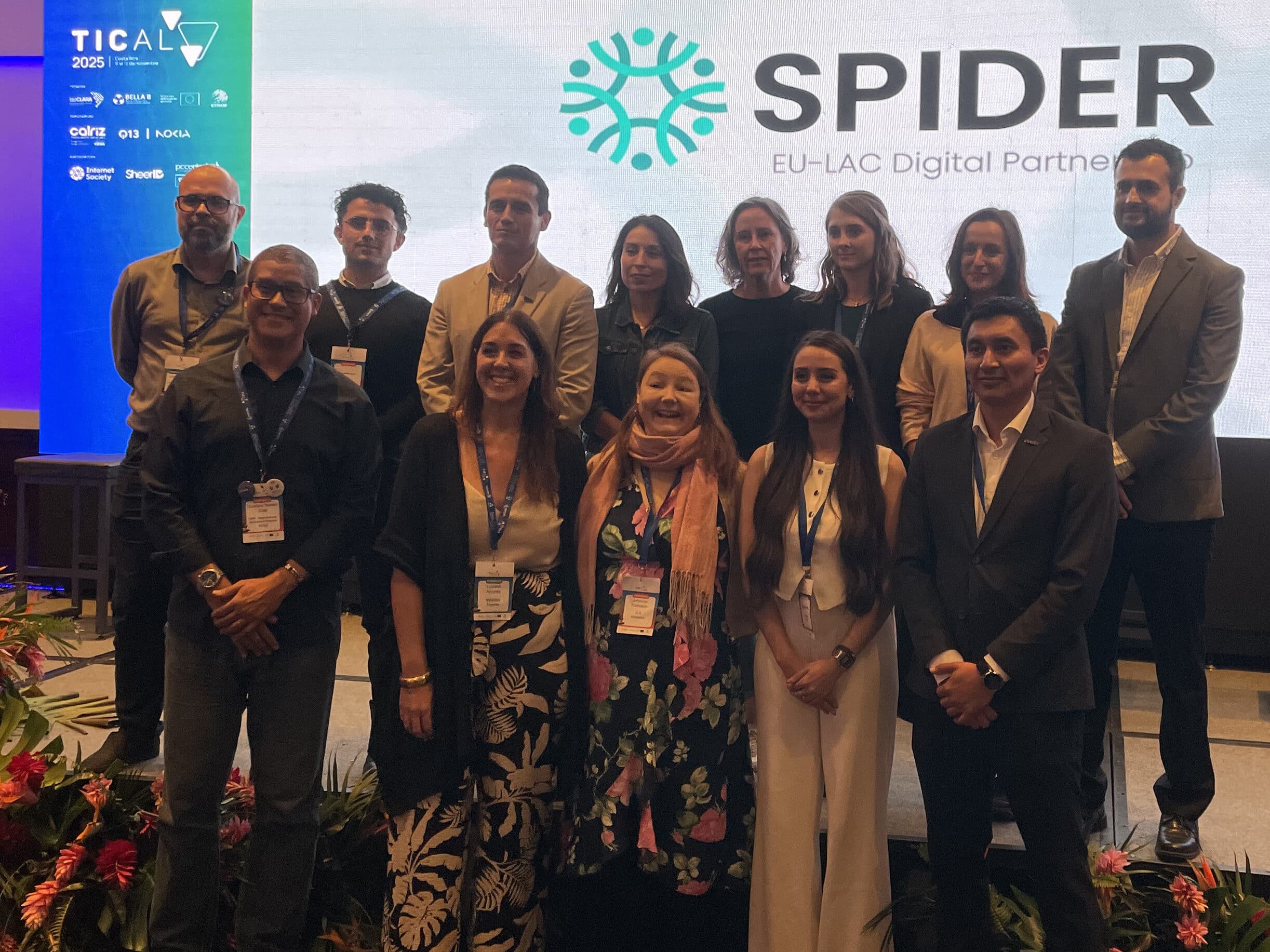
This edition of the Digital Dialogues Implementation Forum made one thing clear:
The opportunity to build a shared, inclusive, and genuinely collaborative digital future is already here, and we are ready to shape it together.